Design Process
We assist starting from preliminary design of civil works such as concrete structures, and steel work and building interior fit-out and other physical works that will be tailored to your taste as the Owner expectation, We will guide you on manage budget or quantity, which is refer to your availability. Please let us know as small as ever you need!
1. Initial Chat & Development
Schematic design is the first phase. In this step, an architect talks with the client to determine the project requirements and goals. The architect usually starts with rough study drawings that illustrate the basic concepts of the design. This most often includes spatial relationships as well as basic scale and forms the owner might desire. Also, initial research of jurisdictional regulations is completed at this time. Initial cost estimations are also investigated based on total project size and complicity.
Schematic Design often produces rough drawings of a site plan, floor plans, elevations and often illustrative sketches or computer renderings


2. Design development
Design development collects the results from the schematic design phase and takes them one step further. This phase involves finalizing the design and specifying such items as materials, window and door locations and general structural details.
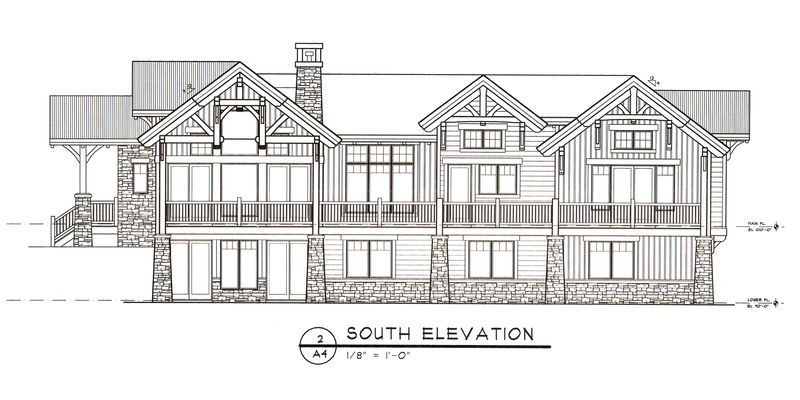
Design development usually yields a more detailed site plan as well as floor plans, elevations and section drawings with full dimensions.
3. Functional LayoutS & Floor Plan
Once the architect and client are comfortable with the drawings produced from the design development phase, they can move on to the construction documents. The construction document phase produces drawings with much more detail which are used for the construction of your project. These drawings typically include specifications for construction details and materials. Once the CDs are completed, the architects send them to contractors for pricing or bidding as well as to the building department for required permit approvals.
Construction documents often include a complete set of architectural drawings (site plan, floor plans, sections, details, etc.) that are combined with structural drawings (and possibly mechanical and electrical drawings) that have enough detail for the contractor to build your project.
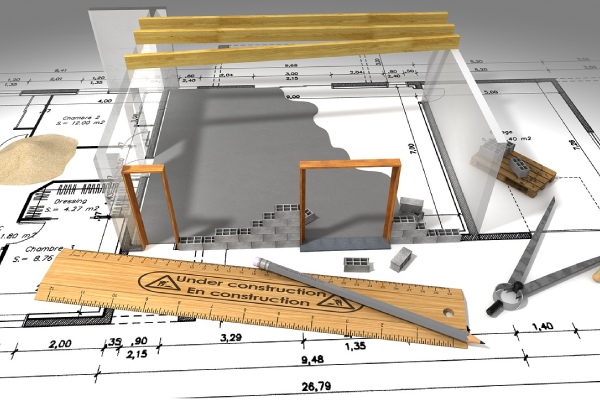
4. 3D Designs & 2D Drawings
5. Products & Materials

6. Implementation
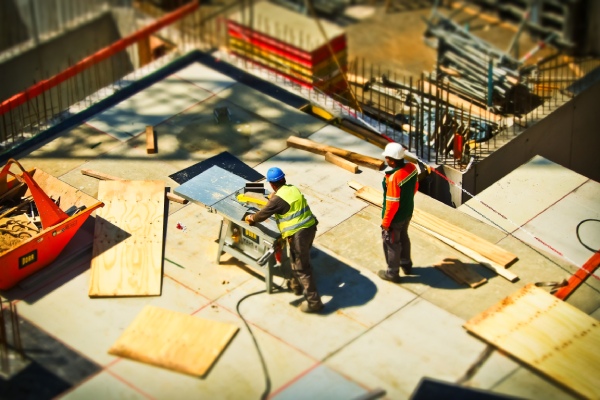
Project implementation (or project execution) is the phase where visions and plans become reality. This is the logical conclusion, after evaluating, deciding, visioning, planning, applying for funds and finding the financial resources of a project. Technical implementation is one part of executing a project